KETAMINE THERAPY IN CARDIFF-BY-THE-SEA
Physician-led ketamine therapy for depression, anxiety, ptsd, trauma, chronic pain, and migraines that goes beyond symptom management. We
combine IV Ketamine, IM Ketamine, and Spravato® treatments with metabolic psychiatry and
integration support — so relief isn’t temporary. It’s the beginning of real
change.
THE REAL PROBLEM
If you’ve tried antidepressants, therapy, supplements, or a combination of all three — and still feel stuck — you’re not alone. Many people do everything “right” and yet continue to struggle with persistent symptoms.
Here’s what most people aren’t told: traditional psychiatric medications primarily adjust neurotransmitter levels, often taking weeks or months to produce noticeable change. For some, they help. For others, the improvement is partial — or fades over time.
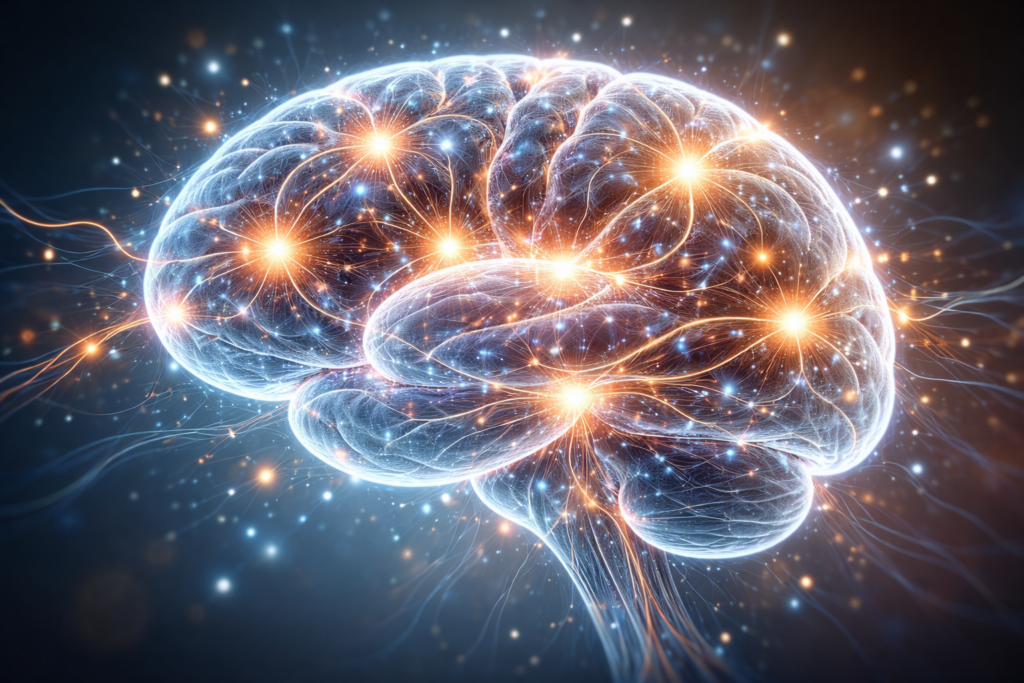
Ketamine works differently. Rather than slowly nudging brain chemistry, it acts on glutamate pathways to rapidly increase neuroplasticity — helping the brain form new connections and break out of rigid, stuck patterns. For many patients, this shift can create meaningful relief in days rather than weeks, especially when combined with thoughtful therapeutic support.
SSRIs and SNRIs work for some people, but up to 30% of patients with depression don't respond adequately to traditional medications. The trial- and-error approach can take months or years.
Depression and anxiety create self-reinforcing loops in the brain. The default mode network becomes overactive, trapping you in rumination, self- criticism, and hopelessness that feels impossible to escape.
Inflammation, insulin resistance, hormonal imbalances, gut dysfunction, and mitochondrial problems can all drive psychiatric symptoms — and they're almost never assessed in standard psychiatric evaluations.
THE SCIENCE
Ketamine is the most significant breakthrough in psychiatric treatment in decades. Originally developed and widely used as an anesthetic, it has since been extensively studied for its rapid-acting antidepressant effects — particularly for treatment-resistant depression.
Unlike SSRIs, which take weeks to build up in your system and primarily affect serotonin levels, ketamine works through the brain’s glutamate system. This mechanism promotes rapid increases in neuroplasticity, helping the brain form new neural connections and disrupt entrenched patterns associated with depression, anxiety, and trauma.
YOUR OPTIONS
The gold standard for ketamine therapy. IV administration delivers precise, controlled dosing with real-time adjustments for safety, comfort, and optimal therapeutic effect. This method is the most extensively studied and allows for the highest level of medical oversight. Best for: Treatment-resistant depression, chronic pain, PTSD, severe anxiety Session length: 45–60 minutes Typical protocol: 6 sessions over 2–3 weeks, with maintenance sessions as needed Setting: Private treatment suite with ocean views and continuous medical monitoring
Intramuscular ketamine provides reliable, weight-based dosing with a slightly different experiential profile than IV administration. Delivered as a single injection into a large muscle (typically the upper arm or hip), IM ketamine does not require an IV line while still offering predictable absorption and strong therapeutic effects. Best for: Depression, anxiety, PTSD, and patients who prefer no IV access Session length: 45–60 minutes Typical protocol: 6 sessions over 2–3 weeks, with maintenance sessions as needed Setting: Private treatment suite with full medical supervision
FDA-approved esketamine nasal spray for treatment-resistant depression and major depressive disorder with suicidal ideation. Administered in-office under medical supervision, esketamine is a derivative of ketamine specifically approved for psychiatric use. Best for: Treatment-resistant depression, major depressive disorder with suicidal ideation, and patients seeking an FDA-approved, insurance-covered option Session length: 2-hour monitoring period following administration Typical protocol: Twice weekly for 4 weeks, then weekly, then spaced out as clinically appropriate Setting: REMS-certified clinic with required post-dose observation period
| Feature | IV Ketamine | IM Ketamine | Spravato® |
|---|---|---|---|
| Administration | Intravenous drip | Intramuscular injection | Nasal spray |
| Dose Control | Real-time adjustable | Set dose per session | Fixed dosing per REMS |
| Session Duration | 45–60 min infusion | 45–60 min session | 2-hour observation |
| Onset of Effects | Minutes | 5–15 minutes | 15–20 minutes |
| Best For | Treatment-resistant cases, chronic pain, precise dosing needs | Depression, anxiety, PTSD, preference for no IV | TRD, MDD with SI, insurance-covered option |
| Insurance | Typically self-pay | Typically self-pay | Often covered by insurance |
| FDA Status | Off-label (well-established evidence) | Off-label (well-established evidence) | FDA-approved for TRD and MDD with SI |
| Medical Monitoring | Continuous vital signs | Continuous vital signs | Required 2-hour observation |
Not sure which option is right for you? That’s exactly what the initial consultation is for. Dr. Gillin will review your history, goals, and preferences to recommend the best path forward.
WHY SEASIDE KETAMINE
Most ketamine clinics offer treatments in isolation — you get your infusion, you go home, and the experience is largely disconnected from deeper therapeutic work.
Our 4-phase Seaside Method combines rapid symptom relief with thoughtful root-cause investigation, biological support, and structured integration. Rather than treating ketamine as a standalone intervention, we use it as part of a comprehensive care model designed to create meaningful, lasting change — not just temporary improvement.
Ketamine therapy (IV/IM/Spravato) to rapidly break through entrenched patterns and create a therapeutic window for deeper work.
Metabolic psychiatry evaluation through Seaside Longevity. Lab-driven assessment of inflammation, hormones, gut health, and metabolic function.
Ketamine-Assisted Psychotherapy, The Gupta Program, Compassionate Inquiry, adapted behavioral frameworks, and mindfulness practices.
Nutrition, sleep optimization, exercise programming, stress management, community, and ongoing support to sustain change.
What We Test: TSH, Free T3, Free T4, Reverse T3, thyroid antibodies (TPO, TgAb)
Why It Matters: Standard thyroid testing misses many cases of suboptimal thyroid function. Low T3, elevated Reverse T3, or Hashimoto’s antibodies can cause symptoms identical to depression, anxiety, and ADHD—even when TSH appears “normal.”
What We Test: Cortisol (4-point or DUTCH test), DHEA-S, testosterone (total and free), estradiol, progesterone, sex hormone-binding globulin (SHBG)
Why It Matters: Cortisol dysregulation from chronic stress directly impairs brain function. Sex hormone imbalances—common in both men and women—contribute to anxiety, depression, irritability, brain fog, and sleep disruption.
Treatment-resistant depression, major depressive disorder, persistent depressive disorder. Ketamine can produce rapid antidepressant effects when other treatments have failed.
Generalized anxiety, social anxiety, panic disorder. Ketamine helps quiet an overactive nervous system and break the cycle of chronic worry.
Post-traumatic stress disorder, complex trauma, childhood trauma. Ketamine combined with therapy allows processing of traumatic memories without overwhelm.
CRPS, fibromyalgia, neuropathic pain, chronic migraines. Ketamine's NMDA receptor action can reset central sensitization and pain pathways.
Obsessive-compulsive disorder. Emerging evidence shows ketamine can rapidly reduce OCD symptoms by modulating glutamate pathways.
Alcohol use disorder, substance dependence. Ketamine combined with behavioral frameworks can interrupt addictive patterns and support lasting recovery.
A: When administered in a medically supervised setting with proper screening and monitoring, ketamine has a well-established safety profile supported by decades of clinical use. At Seaside Ketamine, all treatments are supervised by Dr. Gillin, a board-certified physician with training in anesthesiology and over 1,500 ketamine treatments administered. Vital signs are monitored continuously throughout every session.
A: Many patients notice a shift within hours to days of their first treatment — a significant contrast to traditional antidepressants, which can take 4–8 weeks. However, responses vary. Some people experience a dramatic shift early, while others find the cumulative effect over a series of treatments produces the breakthrough. We track your progress carefully and adjust accordingly.
A: The acute neuroplasticity window from a single ketamine session lasts approximately 1–2 weeks. This is why we pair ketamine with integration, psychotherapy, metabolic optimization, and lifestyle medicine — to anchor the changes and extend their duration. Maintenance sessions can sustain improvements long- term.
A: No. Ketamine therapy uses sub-anesthetic doses — much lower than surgical anesthesia. You’ll be awake and aware, though you may experience a dreamlike or dissociative state. Most patients describe the experience as deeply relaxing. You’re monitored and supported throughout.
ent status, gut health analysis, and genetic testing when appropriate. These aren’t standard
screening labs—they’re deep dives into the biological systems that affect brain function.
A: In most cases, yes. Many patients begin ketamine therapy while taking existing psychiatric medications. Dr. Gillin will review your current medications during your evaluation to ensure safety and optimize outcomes. When appropriate, we can support gradual medication tapering.
A: At-home ketamine programs (oral/sublingual lozenges prescribed remotely) have become popular, but they lack the medical supervision, precise dosing, and integration support that produce the best outcomes. IV and IM ketamine deliver medication directly and predictably, with real-time monitoring. At Seaside Ketamine, you’re never treated without a physician present.
A: IV and IM ketamine are typically self-pay services. Spravato® (esketamine) is often covered by insurance for eligible patients. During your free consultation, we’ll discuss pricing, treatment options, and help determine whether Spravato insurance coverage applies to your situation.
A: No referral is needed. You can contact us directly to schedule a free 15-minute consultation to determine if ketamine therapy is appropriate for you.
The first step is a free 15-minute call. No pressure, no commitment — just an honest conversation about whether ketamine therapy could help you.