
Stellate Ganglion Block is a physician-performed, ultrasound-guided procedure designed to quiet an overactive sympathetic nervous system — the biological alarm system that can keep PTSD, anxiety, panic, hypervigilance, and emotional reactivity stuck long after the original stress or trauma has passed.
WHY YOU MIGHT FEEL THIS WAY
For many people with trauma, chronic anxiety, panic, or stress-related mood symptoms, the problem is not a lack of insight or willpower.
The problem is that the body’s survival system has not turned off.
You may understand that you are safe, but your nervous system still reacts as if a threat is nearby. This can show up as hypervigilance, poor sleep, irritability, panic, emotional numbness, racing thoughts, muscle tension, constant startle responses, or the persistent sense that you are bracing for something bad to happen.
That is not weakness. Instead, it is pure biology.
Consequently, SGB is designed specifically for people whose symptoms are driven, at least in part, by an overactivated sympathetic nervous system—the fight-or-flight branch of the autonomic nervous system.
HAVE YOU EXPERIENCED THESE?
Feeling constantly on edge, even when nothing is wrong
Panic, anxiety, or dread that feels physical — not just mental
Nightmares, flashbacks, or intrusive memories
Irritability, emotional reactivity, or feeling emotionally hijacked
Trouble sleeping or waking up already tense
Feeling disconnected, numb, or unable to fully relax
DEFINITION
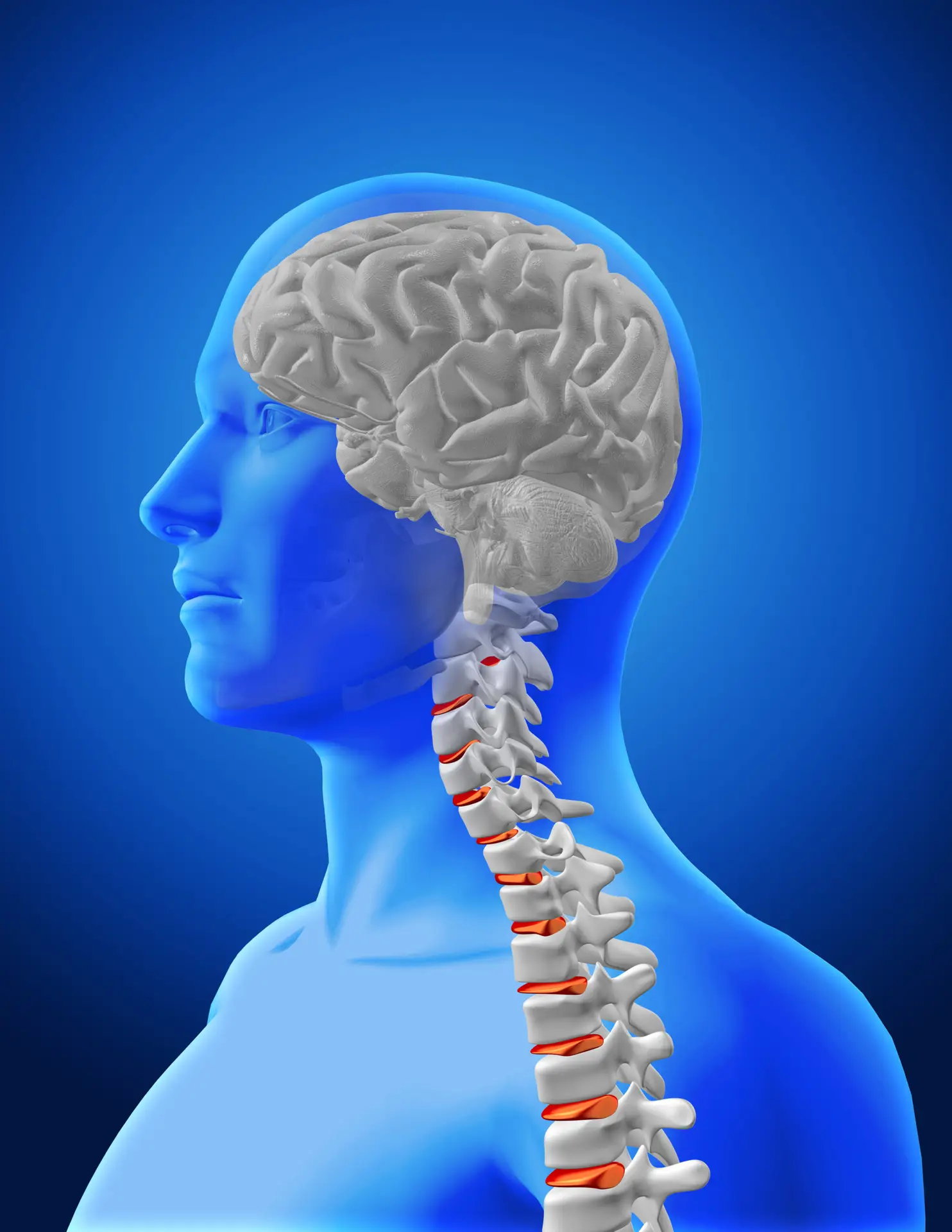
The stellate ganglion is a small cluster of sympathetic nerves in the neck. These nerves are part of the system that regulates the body’s fight-or-flight response.
A Stellate Ganglion Block — or SGB — is an injection of local anesthetic placed near this nerve cluster under real-time ultrasound guidance. The goal is to temporarily quiet sympathetic nerve activity and give the nervous system a chance to shift out of survival mode.
The medication itself wears off within hours. However, in responsive patients, the nervous system shift can last much longer. In fact, it sometimes lasts for weeks or months.
This is why SGB is being used for PTSD, anxiety, panic symptoms, trauma-related hyperarousal, and stress-related mood disorders.
SGB is not psychotherapy. It does not erase memories. It does not replace emotional processing or lifestyle work.
Instead, it may reduce the body’s threat response — so that healing work becomes easier.
HOW SGB CAN HELP YOU
Many trauma and anxiety treatments focus on thoughts, emotions, or behavior. Those are important. But some patients remain stuck because the body’s alarm system is still physiologically overactive — not just psychologically.
SGB targets that alarm system directly.
When the sympathetic nervous system is chronically activated, the brain and body can remain flooded with stress signals. As a result, the amygdala and norepinephrine pathways may continue behaving as if danger is present. In addition, the autonomic nervous system reacts similarly, staying locked in high alert. Ultimately, this baseline survival response persists even when the conscious mind knows otherwise.
By temporarily blocking sympathetic signaling at the stellate ganglion, SGB may help interrupt this cycle and allow the nervous system to recalibrate.
Perceived threat → fight-or-flight fires → hypervigilance increases → poor sleep → more stress signaling → cycle repeats.
The nervous system never gets the ‘all clear’ signal.
Sympathetic signal is temporarily quieted → hyperarousal decreases → nervous system gets a reset window → space for healing opens.
SGB does not create the healing. It creates the conditions for healing.
SAFETY
SGB is a precise medical procedure performed in the neck near important nerves, blood vessels, and airway structures. The person performing it matters — both for safety and for outcomes.
At Seaside Ketamine, every SGB is performed by Dr. Scott Gillin, a board-certified anesthesiologist with extensive experience in nerve blocks, procedural safety, airway management, and advanced injection techniques.
This is not a procedure performed by a nurse practitioner following a protocol. Instead, it is strictly a physician-performed procedure. Furthermore, this specialized treatment must be supervised by someone trained specifically in the anatomy and pharmacology. In addition, they must be experts in the emergency management associated with cervical nerve blocks.

Dr. Scott Gillin, MD
Dual Board-Certified Anesthesiologist | 30+ Years Experience
ARE YOU A GOOD FIT?
SGB may be appropriate for people whose symptoms are strongly tied to sympathetic overactivation. In particular, this intervention is highly effective especially when the body feels stuck in survival mode. Indeed, this baseline threat response can persist despite previous treatment efforts.
SGB is not appropriate for everyone. Patients on blood thinners, those with certain cardiac or pulmonary conditions, allergy to local anesthetics, active psychosis, unstable medical issues, or other safety concerns may not be candidates. Every patient begins with a full medical evaluation.
If SGB is not right for you, Dr. Gillin will help you understand why — and what alternatives may be better suited to your situation
EVIDENCE
SGB may be appropriate for people whose symptoms are strongly tied to sympathetic overactivation — especially when the body feels stuck in survival mode despite previous treatment.
of patients in one published study showed clinically meaningful anxiety reduction within one week
Lynch et al., J Pers Med 2023 — n=285
average GAD-7 anxiety score reduction in the same study, moving many patients from severe to milder ranges
More than twice the minimal clinically important difference
evidence from randomized controlled trials supports SGB as a potential intervention for PTSD symptoms
McLay et al. 2012 | Hollifield et al. 2019 — Am J Psychiatry
Research is promising, but SGB does not work for everyone. Results vary based on diagnosis, nervous system pattern, trauma history, medical factors, and whether SGB is combined with appropriate follow-up care. These statistics are from published studies and may not represent your individual outcome.
HOW IT WORKS
Before the procedure, Dr. Gillin will review your medical history, medications, current symptoms, and safety factors. This is a screening conversation, not a sales pitch.
You will need a responsible adult to drive you home — plan for this before your appointment. You may be asked to avoid food, drink, or certain medications for a period before treatment. Specific instructions will be provided at consultation.
You will lie comfortably on a procedure table while the neck area is cleaned and prepared. Using real-time ultrasound, Dr. Gillin identifies the target anatomy and carefully places local anesthetic near the stellate ganglion.
The procedure itself is brief. Most of the appointment time is spent on preparation, monitoring, and the recovery period that follows.
You will be awake throughout and can communicate with Dr. Gillin at any time.
After the injection, you will rest in a monitored recovery area. Many patients develop temporary signs that the block is working — including a drooping eyelid, a smaller pupil on the treated side, warmth in the face or arm, or mild hoarseness. These effects are expected, harmless, and resolve the same day.
Some patients feel calmer within hours or days. Others notice changes more gradually over one to four weeks. A follow-up check-in is scheduled for one week after your procedure.
HOW IT’S PAIRED
SGB can quiet the body’s alarm system. But the most important question is: what happens next? At Seaside Ketamine, SGB is not a standalone ‘shot.’ It is part of a broader nervous system and mental wellbeing strategy designed to help patients stabilize, rewire, and rebuild.
SGB may reduce sympathetic hyperarousal, while ketamine may simultaneously support neuroplasticity and emotional flexibility. Consequently, when used together, they may thereby help patients feel physiologically safer while engaging in deeper healing work.
When the body subsequently feels less threatened, as a result, some patients are consequently better able to access difficult emotions. Furthermore, they can process trauma and thereby participate more fully in therapeutic work.
Breathwork, nervous system retraining, journaling, lifestyle practices, and guided integration may help patients use the post-SGB recovery window more effectively. The reset is the beginning — not the destination.
Sleep, inflammation, hormones, metabolic health, and stress physiology all influence the nervous system. For some patients, lasting improvement requires addressing the body as a whole system — not just one pathway.
FREQUENTLY ASKED QUESTIONS
A stellate ganglion block is an injection of local anesthetic near a cluster of sympathetic nerves in the neck. It is designed to temporarily quiet the fight-or-flight branch of the nervous system. It is physician-performed, ultrasound-guided, and used for PTSD, anxiety, panic symptoms, and trauma-related hyperarousal.
No. SGB does not erase memories or replace therapy. It may reduce the body’s physiological hyperarousal response, which can make emotional processing and integration work more accessible. SGB is a biological tool — not a psychological cure.
Some patients notice a shift in their sense of calm within hours or days. Others notice improvement more gradually over one to four weeks. Response timing varies by individual, diagnosis, and whether SGB is combined with appropriate follow-up care.
Duration varies. Some patients experience benefit for several months; others may benefit from additional treatment over time. The local anesthetic wears off in hours, but the nervous system shift can persist much longer in responsive patients.
When performed by an experienced physician using real-time ultrasound and appropriate monitoring, SGB is considered a low-risk procedure. All procedures carry some risk, which Dr. Gillin reviews thoroughly during consultation. Emergency protocols are in place at every session.
No. You need a responsible adult to drive you home the day of your procedure. We will confirm this at the time of scheduling.
For PTSD, anxiety, and mood-related indications, SGB is most commonly a cash-pay procedure. We may be able to provide a superbill for out-of-network reimbursement requests. Contact us for current pricing and documentation options.
The best next step is a consultation. Dr. Gillin will review your symptoms, medical history, medications, and goals to determine whether SGB makes sense — and if it does not, he will tell you that too.
If you have tried therapy, medication, ketamine, or other approaches — but still feel stuck in fight-or-flight — SGB may be worth exploring.
Start with a free consultation. Dr. Gillin will help you understand whether SGB is appropriate for your situation, what to expect from the procedure, and how it may fit into your broader healing plan. However, if it is not the right fit, he will consequently tell you that as well.