Chronic Pain & Migraine Treatment in Cardiff-by-the-Sea, CA
Ketamine Therapy for Chronic Pain & Migraines in San Diego
IV ketamine infusions target NMDA receptors to stop central sensitization. Specifically, this process stops the brain from boosting chronic pain and migraines. Therefore, our doctors combine ketamine, nerve blocks, and healthy habits to treat pain at its true source.
- Board-Certified Physician
- NMDA Receptor Expertise
- Stellate Ganglion Bloc
- 3,500+ Infusions

Your Brain Has Learned to Amplify Pain
Central sensitization is a neurological state where your brain and spinal cord amplify pain signals, creating pain out of proportion to (or independent of) tissue damage. This is the mechanism underlying chronic pain conditions like CRPS, fibromyalgia, chronic migraines, neuropathic pain, and persistent post-surgical pain. Opioids often make central sensitization worse through opioid-induced hyperalgesia.
The Opioid Trap and the NSAID Ceiling
Opioids address pain temporarily but create dependence, tolerance, and paradoxically increased pain sensitivity over time. NSAIDs and acetaminophen have a ceiling effect and can’t address the central nervous system changes driving chronic pain. Gabapentinoids help some patients but cause cognitive dulling and weight gain. None of these approaches reverse the neurological changes at the heart of chronic pain.
The Inflammation-Pain Connection
Chronic pain is intimately linked to systemic inflammation, metabolic dysfunction, and mitochondrial impairment. Research shows elevated inflammatory markers in chronic pain patients, and dietary interventions that reduce inflammation can significantly impact pain levels. Magnesium deficiency alone — present in up to 50% of Americans — can drive muscle pain, headaches, and neuronal hyperexcitability.
Why Standard Pain Management Falls Short
Most conventional depression treatment focuses on stopping signs only. While SSRIs can be helpful for some patients, they represent just one small piece of a much larger biological puzzle.
- Opioids create tolerance, dependence, and paradoxical hyperalgesia
- NSAIDs have a ceiling effect and can’t reverse central sensitization
- No assessment of central sensitization, neuroinflammation, or metabolic contributors
- Pain psychology alone can’t override a neurologically amplified pain signal
- No metabolic workup: inflammation, magnesium, vitamin D, and mitochondrial function untested
- One-size-fits-all approach without precision testing
The Seaside Method: A Smarter Path Forward

RAPID RELIEF
IV ketamine infusions using pain-specific protocols that directly target NMDA receptors and reverse central sensitization. Stellate ganglion block for sympathetically-mediated pain conditions.
- Pain-protocol ketamine infusions (higher dose, longer duration than mood protocols)
- Stellate ganglion block for CRPS, complex regional pain, and sympathetically-mediated conditions
- tVNS for neuroinflammation modulation

ROOT CAUSE
Comprehensive metabolic assessment of pain drivers through Seaside Longevity.
- Inflammatory markers panel
- Nutrient status (magnesium, D, B12, omega-3)
- Hormonal assessment
- Metabolomic profiling
- Pharmacogenomic testing

REWIRE & REBUILD
Neuroplasticity-based retraining of pain processing circuits.
- Pain neuroscience education
- The Gupta Program for central sensitization
- Mindfulness-based stress reduction for pain
- Graded movement and exposure

RESILIENCE
Anti-inflammatory lifestyle and pain self-management.
- Anti-inflammatory nutrition protocol
- Movement programming
- Sleep optimization
- Stress management
- Opioid taper support when appropriate
WHAT TO EXPECT

Free Consultation
Discuss your pain history and determine if ketamine therapy is appropriate.

Medical Evaluation
Comprehensive pain assessment, safety screening, and metabolic lab orders.

Treatment Plan
Pain-specific ketamine protocol plus metabolic optimization and integration therapies.

Treatment Sessions
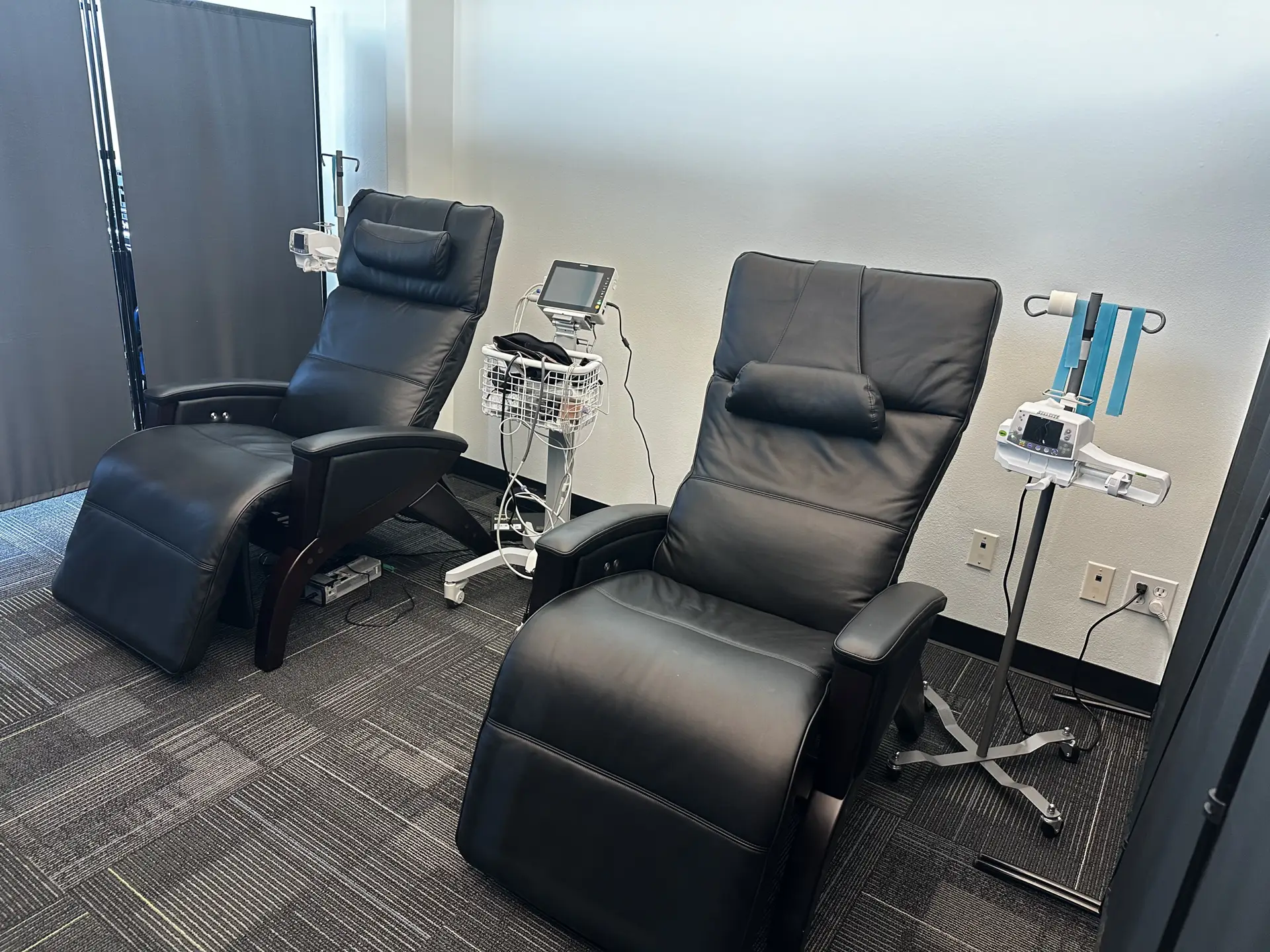
IV infusions in our calm setting with continuous monitoring. Pain protocols are typically 4-6 hours.

Optimization
Ongoing pain management, metabolic optimization, and building of self-regulation tools.
FAQ
Q: How does ketamine treat chronic pain?
Ketamine blocks specific pain spots in your brain. By targeting these spots, it can reset an too sensitive nervous system. This reset stops the brain from reacting to pain signals, which is the root cause of many chronic pain conditions. Because this process is completely different from how opioids work, ketamine does not carry the same risk of addiction.
Q: What chronic pain conditions respond to ketamine?
Ketamine treatment works so well for several conditions. For instance, strong medical evidence supports its use for CRPS, fibromyalgia, and chronic migraines. It is also highly effective for nerve pain, too sensitive nervous systems, and lasting pain after surgery. To see if this therapy is right for you, we will start with a full health evaluation for your specific condition
Q: Are pain ketamine infusions different from depression infusions?
Yes, ketamine treatments for pain generally use higher doses and take much longer than treatments for mood disorders. For example, a pain session usually lasts four to six hours. On the other hand, a mood session only takes about 40 to 60 minutes. This stronger, longer process is necessary because it blocks specific busy pain spots in your brain. As a result, it can successfully reset an too sensitive nervous system
Q: Can ketamine help me reduce opioid use?
Many patients can lower or completely stop using opioids after they receive ketamine treatment. This is because the medication targets the too sensitive nervous system that drives chronic pain. To help with this process, we also offer safe care with our team to lower your doses safely when appropriate.
Q: Does ketamine work for migraines?
Yes, ketamine works well for chronic migraines. This is especially true for patients who do not get relief from standard treatments. The medication works by balancing specific pain receptors in the brain. In addition, it can reduce brain inflammation and calm the sudden electrical waves that trigger headaches. Ultimately, this directly targets how migraines develop
Q: What is a stellate ganglion block for pain?
A SG block is an ultrasound guided injection near a main nerve cluster. For pain conditions like CRPS, this injection can provide significant relief. It works by stopping bad nerve signs. In fact, doctors have used this trusted method in pain management for decades.
Q: How does inflammation cause chronic pain?
Chronic inflammation lowers your pain threshold and strengthens pain signals. At the same time, it keeps your nervous system highly sensitive. This happens because inflammatory proteins directly trigger your pain nerves. To fix this, we use metabolic testing through Seaside Longevity to find the root causes of your inflammation. As a result, we can target and treat specific drivers like your diet, gut health, and metabolic function
Q: How many ketamine sessions are needed for chronic pain?
Pain treatment plans usually include a series of infusions. For example, most patients start with four to six infusions over one to two weeks. After this initial phase, they switch to maintenance treatments only as needed. However, results will always vary depending on your specific health condition and how your body responds.
Pain Has Stolen Enough of Your Life. There’s Another Way.
If opioids and standard treatments haven’t given you real relief, ketamine therapy may reverse the neurological changes driving your pain.
Free 15-minute call. Physician-led care. Evidence-based protocols.